How to Cook Hot Dogs on the Stove, Grill, or Oven
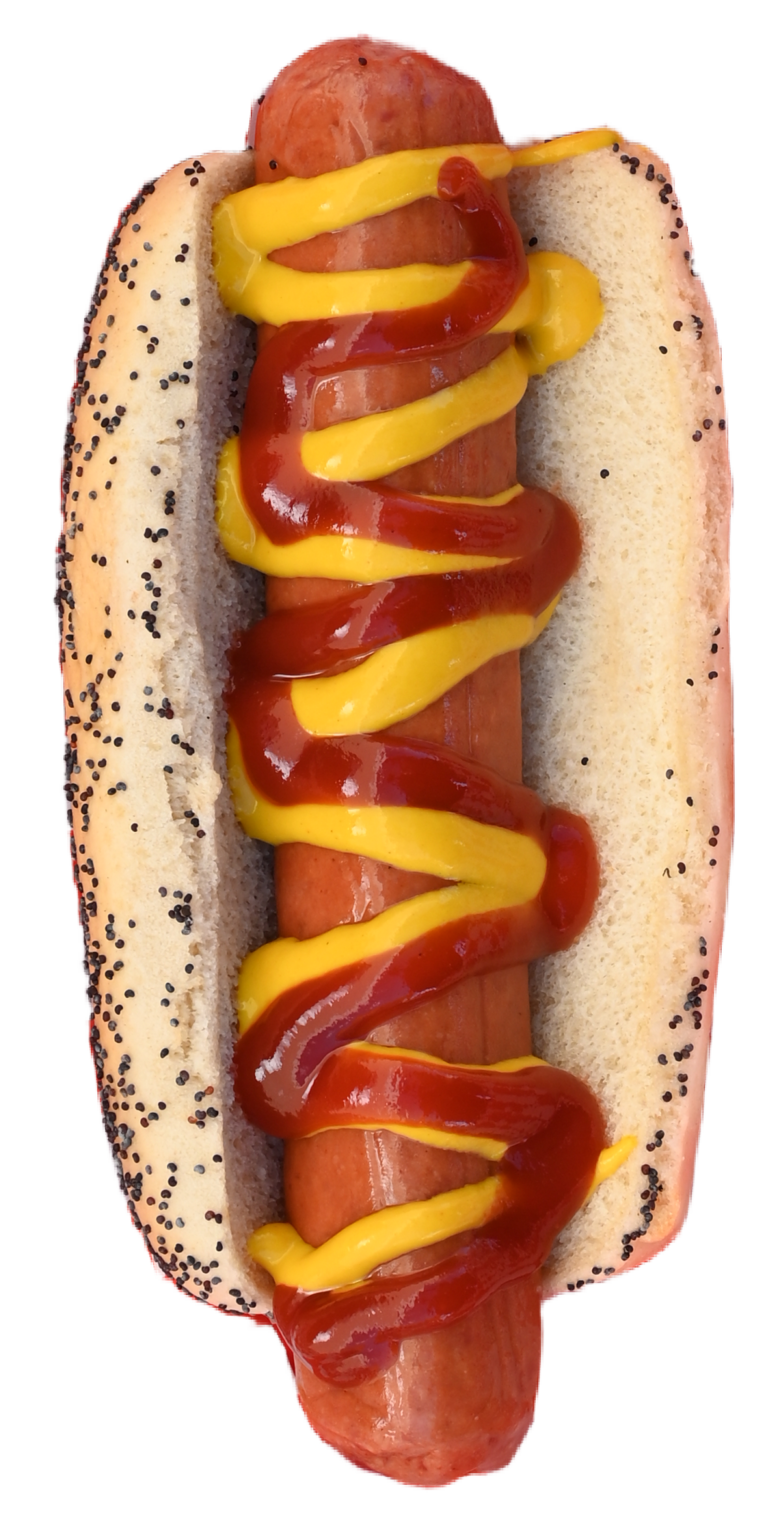


A hot dog is one of the fastest dinners you can make, but speed is exactly why people often cook it carelessly. The result is familiar: a split casing, a lukewarm center, a bun that falls apart, or a sausage that tastes more steamed than browned. None of those problems are hard to fix. A good hot dog only asks for a little attention, and each cooking method rewards a slightly different approach.
Stovetop cooking gives you control and consistency. Grilling adds smoke, char, and that backyard flavor most people picture first. The oven is ideal when you are feeding a crowd or when weather makes the grill impractical. All three methods can produce an excellent result if you understand what the hot dog itself needs: gentle heating through the center, enough surface heat to wake up the fat and casing, and good timing so it stays juicy instead of shrinking into a salty, wrinkled tube.
It also helps to know what kind of hot dog you have. A natural casing frank behaves differently from a skinless one. Beef dogs often develop deeper browning and a firmer bite. Mixed-meat franks can be softer and more forgiving. Jumbo dogs need more time than standard ones, and refrigerated hot dogs cook differently from frozen. Those details matter, but not so much that they should intimidate you. Once you understand the method, you can adjust on the fly.
What makes a hot dog taste better
A hot dog is already cooked when you buy it in most supermarkets, unless the package specifically says otherwise. That means your goal is not the same as cooking raw sausage. You are reheating it thoroughly and improving the texture. The best versions are hot all the way through, glossy from rendered fat, and lightly blistered or browned on the outside.
The biggest mistake is blasting them with high heat from the start. That can split the casing before the center warms up. You lose juices into the pan, onto the grill, or onto the sheet tray, and the hot dog ends up drier than it should be. The second common mistake is the opposite, which is undercooking. A barely warmed frank has a flat flavor and an oddly bouncy texture. Heat opens it up. A hot dog that has reached the right temperature tastes fuller, smells richer, and snaps more cleanly when you bite into it.
Buns matter too. A very good hot dog tucked into a cold, doughy bun can still feel unfinished. A quick toast, steam, or warm-up changes the whole experience. So do condiments, but those should support the sausage rather than bury it. If you buy a quality frank, let it lead.
Choosing the best method for the situation
The stove is the workhorse. It is best when you are cooking for one to four people, especially if you want control over browning. A skillet lets you see every stage, from pale and cool to plump and caramelized. It is also the easiest place to recover if things start going wrong. If the pan gets too hot, you lower the flame. If the surface is browning too fast, a spoonful of water calms it down and helps the center catch up.
The grill is the flavor method. Even a gas grill adds some of that roasted quality, and charcoal takes it further. But grilling can be less forgiving. Hot dogs roll, flare-ups happen, and thin franks can go from perfect to split in under a minute. The payoff is worth it when you want char and smoke, especially for all-beef franks or natural casing dogs.
The oven is often underrated. It will not give you the same fresh-off-the-grate flavor as a grill, but it does something else very well: batch cooking. If you need eight, ten, or twelve hot dogs ready at once, the oven is practical and reliable. It also frees your hands for buns, sides, and toppings. For busy weeknights or game-day trays, that matters more than people admit.
How to cook hot dogs on the stove
The stovetop gives you two strong options: simmering and pan-browning. Some cooks treat them as separate methods, but in practice the best results often come from combining them.
If you want the simplest route, place the hot dogs in a skillet or sauté pan and add a shallow layer of water, just enough to come partway up the sides. Set the pan over medium heat. As the water warms, the franks heat gently and evenly. Once the water nearly evaporates, the rendered fat takes over and the hot dogs begin to brown in the pan. Roll them every minute or so until the surface is lightly blistered and glossy. This is one of those humble kitchen techniques that works far better than it sounds. You get even heating first, then color.
If you prefer more direct browning, you can skip most of the water and use a small amount of oil or butter in the pan. Keep the heat at medium, not high. Put the hot dogs in and turn them frequently. They usually need around five to eight minutes, depending on thickness and starting temperature. You are looking for a little resistance when you press the casing with tongs, visible browning on several sides, and steam escaping when you make a tiny cut at one end.
A cast-iron skillet does a particularly good job here because it holds steady heat. Stainless steel is also excellent. Nonstick works, though it sometimes produces less color. Butter adds flavor but can brown quickly, so I usually prefer a neutral oil unless I am deliberately chasing that buttery griddled taste you get from old-school lunch counters.
There is also the question of whether to score the hot dog first. Shallow diagonal cuts can look attractive and increase browning, but they also create escape routes for juices. On the stove, I usually leave them whole, especially natural casing franks. If I want that crosshatched look, I do it lightly and only on thicker hot dogs.
One detail that makes a real difference is the bun. During the last minute of cooking, if you have room in the pan, you can toast the split sides of the buns in the rendered fat. That is not subtle. It gives the bread a savory edge and helps it stand up to mustard, relish, or chili without turning soggy.
A note on boiling, and why many people stop too soon
Boiling is common because it is easy, but a hard boil is not the best way to treat a hot dog. Vigorous boiling can split the casing and wash away some flavor. A gentle simmer is better. If you want a softer, juicier frank without browning, use a saucepan of hot water and keep it just below a boil. Standard refrigerated hot dogs usually take around four to six minutes. Jumbo franks can take a bit longer.
That said, simmering alone creates a different style of hot dog. It is plump, tender, and clean-tasting, but it lacks the complexity you get from browning. Some people prefer that texture, especially for Chicago-style builds where the toppings bring plenty of contrast. Others find it a little plain. Neither camp is wrong. It is simply a choice between purity and roasted flavor.
How to cook hot dogs on the grill
A grill can make an ordinary hot dog taste festive. The dry heat firms the casing, smoke deepens the aroma, and the browned spots add just enough bitterness to balance the salt and fat. The challenge is keeping control.
Start with a clean, preheated grill. Medium heat is usually right. On a gas grill, that means letting the grates heat up fully, then reducing any burners that seem aggressive. On charcoal, spread the coals so you have a hotter side and a cooler side. That two-zone setup gives you a place to move the hot dogs if flare-ups start or if one side is coloring too quickly.
Place the hot dogs perpendicular to the grates so they do not roll as easily into awkward positions, and turn them every minute or two. Constant flipping may seem fussy, but it cooks them evenly and reduces splitting. Most standard hot dogs will be ready in about five to seven minutes over medium heat. Larger franks may need closer to eight or nine. What you want is distinct browning, a little blistering, and an interior that feels hot and springy rather than soft and cool.
Natural casing hot dogs deserve special attention on the grill. They have that satisfying snap people love, but they are also more likely to burst if neglected. Keep them moving. If the heat is strong enough to blacken one side before the rest has had time to warm, the grill is too hot.
Some grill cooks score hot dogs deeply because they like the crispy edges that curl outward as the cuts open. That can be delicious, particularly on fattier beef franks, but it changes the texture. You lose some of the classic juicy bite in exchange for more charred surface area. If that trade-off appeals to you, score lightly and keep a close eye on them. Deep cuts over high heat can turn a juicy hot dog into something closer to a grilled garnish.
The bun deserves its own moment on the grill. Thirty to sixty seconds cut-side down is usually enough. You are not trying to make croutons. You want warmth, light color, and just enough structure to hold the sausage. If your grill is very hot, toast buns on the cooler side.
When the grill goes sideways
Outdoor cooking rarely unfolds perfectly. Wind changes the heat. One side of the grill runs hotter. Someone walks away with the tongs. The trick is knowing how to recover without pretending the method failed.
If hot dogs split, it usually means the heat was too high or they sat still too long. Move them to a cooler zone and turn more often. If they are blackening outside while still cool inside, close the lid for a minute or two on lower heat. That lets ambient heat do some of the work without more direct scorching. If flare-ups lick the sausages every time fat drips, shift them off the flames rather than fighting the fire with frantic flipping.
Some of the best grilled hot dogs I have eaten came from imperfect conditions, including one neighborhood cookout where the host had a stubborn gas grill with a hot spot the size of a dinner plate. He parked the franks around the perimeter, rotated them like clockwork, and ended up with beautifully blistered dogs while everyone else hovered over burgers. The point is not precision for its own sake. It is attention.
How to cook hot dogs in the oven
The oven is the method I rely on when numbers matter. It works for weeknight dinners, kids' parties, casual gatherings, and those evenings when the stovetop is already crowded. It also asks very little of the cook once the tray goes in.
Preheat the oven to 400°F. Arrange the hot dogs on a foil-lined sheet pan or in a shallow baking dish, leaving a little space between them. Bake until they are heated through and beginning to brown, usually about ten to fifteen minutes for standard-size franks. Turn them once midway if you want more even color. For a slightly deeper roast, let them go another couple of minutes, but watch carefully. Ovens differ, and hot dogs can move from plump to wrinkled faster than expected.
This method works because the dry heat warms the sausages evenly and gradually renders some surface fat. The casing tightens, the exterior picks up color, and you avoid the mess of a skillet. It is not as dramatic as a grill, but it is dependable. If you are making chili dogs, baked hot dogs are especially practical because the toppings do most of the heavy lifting anyway.
There is also a smart variation for bun lovers. During the last two minutes, place the buns cut-side up on a second tray or directly beside the hot dogs if there is room. That brief warm-up takes the chill off and slightly dries the surface so sauces do not soak in immediately. If you want more toast than warmth, put them under the broiler for a very short spell, but stay close. Bread under the broiler can move from pale to scorched in less time than it takes to answer a text.
If you are cooking from frozen, the oven is especially helpful. You can bake frozen hot dogs directly, though they will need more time and may brown unevenly at first. In my experience, it is still better to thaw them overnight if you can. You get a juicier result and more predictable timing.
Texture, doneness, and food safety
Because most packaged hot dogs are pre-cooked, many people assume any amount of heating is fine. From a safety standpoint, that is often mostly true for healthy adults handling them properly, but from an eating standpoint it misses the point. A hot dog should be served hot, not barely warm. The center should feel fully heated when you bite in, and the outside should have some character.
If you like to use a thermometer, 165°F is a solid target for reheating processed meats. Not everyone will bother with that for a quick lunch, and that is understandable, but the principle is useful. The interior should be steaming and thoroughly hot. If the sausage is warm at the surface and cool near the center, it needs more time.
Wrinkling is usually a sign the hot dog has gone too far. Some wrinkling is harmless, especially in a dry oven, but deep shriveling means moisture has left the sausage. Splitting is not automatically fatal to quality, but it does cost you juices. The sweet spot is somewhere just before either of those things gets pronounced.
Condiments and pairings that fit the cooking method
A grilled hot dog can handle stronger toppings because the smoke and char stand up to them. Think spicy mustard, grilled onions, pickled peppers, or a chunky relish with acidity. The browned flavors want contrast.
A stovetop hot dog, especially one finished in a skillet, pairs beautifully with simpler choices. Yellow mustard, sauerkraut, finely chopped onions, and a stripe of ketchup if that is your preference all work well because the pan-browned flavor is already doing a lot. A little celery salt can be surprisingly effective here.
Oven-cooked hot dogs are ideal for saucier builds because they tend to be evenly heated and easy to produce in batches. Chili, cheese sauce, baked beans, or slaw all make sense, particularly when you are feeding a table rather than plating individually. I would only caution against loading a soft bun too heavily unless it has been toasted or warmed enough to strengthen it.
Common mistakes that flatten the flavor
The first is overcrowding, whether in the skillet or on the tray. Hot dogs need contact with heat and a bit of space for moisture to evaporate. Pile too many together and they steam each other.
The second is neglecting carryover and resting. Hot dogs do not need a long rest like a steak, but they benefit from thirty seconds or so off the heat, especially if they have been grilled aggressively. That brief pause lets surface juices settle and keeps toppings from sliding off immediately.
The third is forgetting the bun. A cold bun makes the hot dog cool faster and dulls the contrast between the juicy sausage and the bread. Even a ten-second warm-up changes the experience.
The fourth is using heat that is too fierce. This is the most common problem across all methods. High heat feels efficient, but with a hot dog it often just drives moisture out before the center catches up.
Which method is best?
If I am cooking for myself and want the best balance of flavor and control, I choose https://andrejuby938.summitviewdaily.com/posts/regional-hot-dog-styles-you-need-to-taste the stove, specifically the skillet-with-water method that ends in browning. It is fast, forgiving, and consistently excellent.
If I am after that classic cookout taste, the grill wins. Nothing else gives the same aroma or lightly smoky bite. It also creates the strongest contrast between the sausage and the bun, especially if both are toasted over the grates.
If I need to feed several people without fuss, I turn on the oven. It is the least romantic method and often the most useful one. Practical cooking deserves more credit than it gets.
The nice thing about a hot dog is that it rewards attention more than equipment. You do not need expensive gear, a complicated recipe, or much time. You need the right heat, a little patience, and the judgment to stop when the sausage is fully hot, lightly browned, and still juicy. Get that right, and whether it came from a skillet, a grill, or a sheet pan, it will taste exactly as satisfying as people hope a hot dog should.
Under Construction Hot Dogs
1225 W U.S. Hwy 50, Pueblo, CO 81008
FAQ About hot dog
What are different types of hotdogs?
Under Construction Hot Dogs offers a classic all-beef hot dog, a quarter-pound Jumbo Dog, a Chili Dog, and a Chicago Dog, along with brats and a Spicy Link.
What does a chili dog have on it?
Our Chili Dog pairs a Vienna all-beef hot dog with chili, shredded cheddar cheese, and finely diced onions.
What is in a traditional Chicago dog?
Our Chicago Dog comes on a steamed poppy seed bun with yellow mustard, bright green relish, onions, tomato wedges, a pickle spear, sport peppers, and celery salt.